
कैसे स्वचालित ट्रेडिंग वित्तीय बाजारों में क्रांति ला रही है
Crypto Market Safety and Ethics
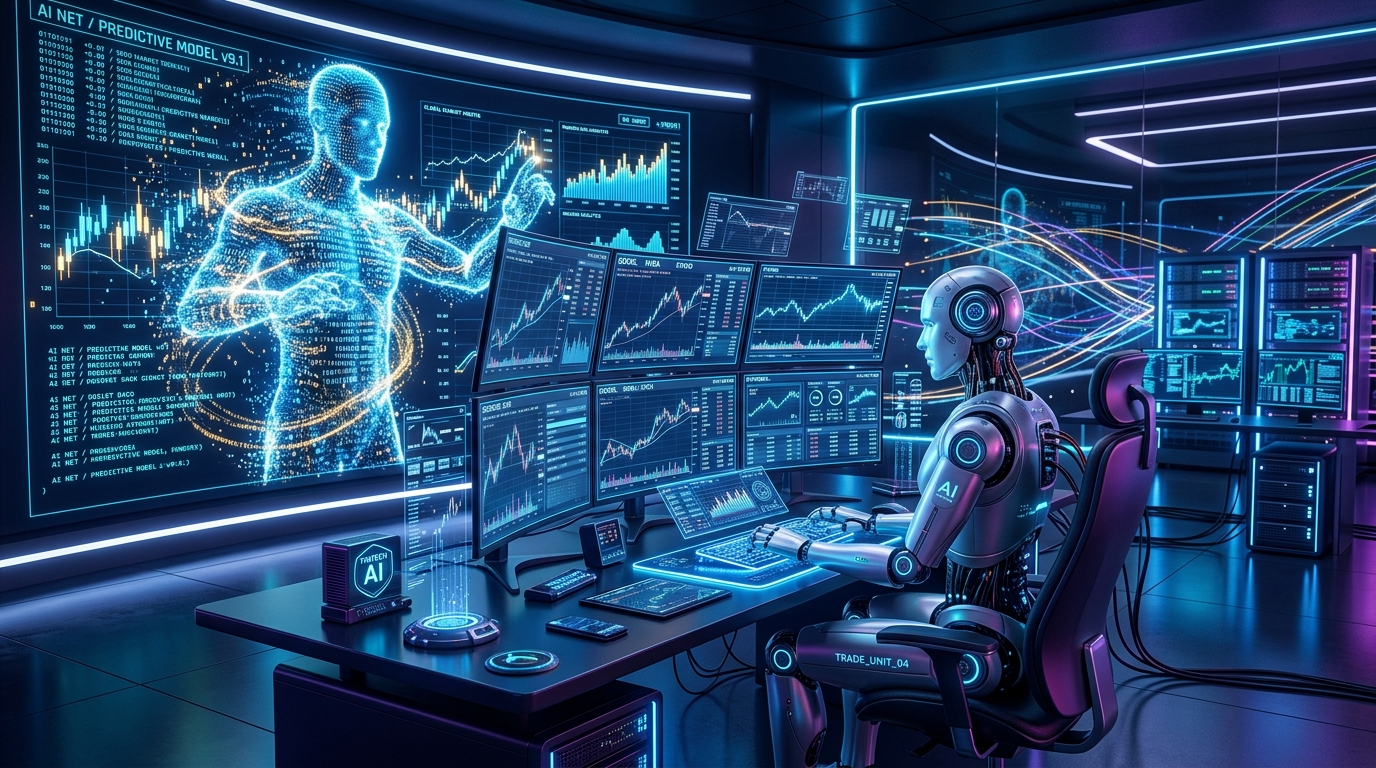
वित्तीय बाजारों में स्वचालन तेजी से व्यापार करने के तरीके को बदल रहा है। एल्गोरिदमिक व्यापार की जड़ों से लेकर जटिल मशीन-लर्निंग मॉडलों के विकास तक, स्वचालित व्यापार प्रणाली संस्थागत और खुदरा व्यापारियों के लिए अनिवार्य बन गई हैं। इस लेख में, हम देखेंगे कि कैसे स्वचालित व्यापार वित्तीय बाजारों को बदल रहा है, इसकी प्रमुख तकनीकें, रणनीतियाँ, लाभ, चुनौतियाँ, और इस क्रांति के चारों ओर नैतिक विचार।
स्वचालित व्यापार का परिचय
स्वचालित व्यापार का तात्पर्य कंप्यूटर सिस्टम के उपयोग से है जो पूर्व-प्रोग्राम किए गए एल्गोरिदम के आधार पर मानव हस्तक्षेप के बिना व्यापार निष्पादित करते हैं। ये सिस्टम वास्तविक समय में बाजार डेटा का विश्लेषण करते हैं और ऐसी गति और सटीकता से निर्णय लेते हैं जो मानव व्यापारियों से मेल नहीं खा सकती। स्वचालित व्यापार का इतिहास 1970 के दशक के अंत में सरल नियम-आधारित प्रणालियों से शुरू हुआ था, जो अब कृत्रिम बुद्धिमत्ता (AI) और मशीन लर्निंग को शामिल करने वाले जटिल प्लेटफार्मों में विकसित हो चुका है।
स्वचालित व्यापार में प्रौद्योगिकी की भूमिका
Technological advancements are pivotal in the evolution of automated trading in India. The integration of machine learning and artificial intelligence empowers trading platforms to learn and enhance their strategies continuously, recognizing trends and optimizing trades. High-frequency trading (HFT) has transformed the landscape by executing numerous trades within seconds, capitalizing on minor price variations. Additionally, advancements in cloud technology, extensive data analysis, and robust network systems have allowed traders to implement these algorithms worldwide, engaging with financial markets around the clock with minimal delays.
Understanding the Mechanism of Automated Trading Systems
Automated trading systems operate through algorithms—comprehensive sets of rules crafted in various programming languages. These systems can vary from straightforward rule-based strategies, such as purchasing when a stock reaches a designated price, to intricate, AI-powered models that analyze historical data to forecast future price trends.
Categories of automated trading systems encompass:
- Rule-Based Trading Systems: Carry out trades according to specific, pre-established conditions.
- AI-आधारित प्रणालियाँ: विशाल डेटा सेट का विश्लेषण करके लगातार सीखती हैं और समय के साथ सुधार करती हैं।
- संकर प्रणालियाँ: सुधारित प्रदर्शन के लिए नियम-आधारित रणनीतियों को मशीन लर्निंग के साथ मिलाती हैं।
- blog_three_question_4.subtitle_4: blog_three_question_4.desc_4
स्वचालित व्यापार रणनीतियों के प्रकार
प्रत्येक रणनीति जटिल एल्गोरिदम पर निर्भर करती है और इसे सावधानीपूर्वक कैलिब्रेट और जोखिम प्रबंधन की आवश्यकता होती है।
Automated trading employs various strategies tailored to market dynamics and investor objectives. Here are some widely recognized methods:
- Arbitrage Techniques: These tactics capitalize on price variances across different exchanges or markets.
- Momentum Trading Approaches: These strategies aim to ride the wave of market trends, purchasing during upward movements and divesting as prices decline.
- Mean Reversion Tactics: Leverage the principle that market prices tend to return to their average levels following notable fluctuations.
- Strategies for Market Making: Earn from the difference between buying and selling prices by executing concurrent buy and sell transactions.
Advantages of Automated Trading Systems
Unlock the Future of Trading with Pikestead! Ever thought about diving into crypto trading? With Pikestead, you can tap into a world of opportunities right from your smartphone! Imagine trading 24/7, seizing market trends, and making profits while sipping chai. Whether you’re a newbie or a seasoned trader, our user-friendly platform makes it easy to buy, sell, and trade cryptocurrencies effortlessly. What’s more? Enjoy low transaction fees and lightning-fast transactions that let you act on market movements instantly. Plus, our robust security measures ensure your investments are safe and sound. Join the growing community of Indian traders who are already reaping the benefits of crypto. Don’t miss out—start your trading journey with Pikestead today and watch your financial dreams take flight!
Automated trading systems provide numerous benefits compared to traditional trading methods. Some key advantages are:
- गति और दक्षता: कंप्यूटर मानवों की तुलना में तेजी से ट्रेड कर सकते हैं, अवसरों का लाभ उठाते हुए इससे पहले कि वे गायब हो जाएं।
- मानव त्रुटियों में कमी: स्वचालित प्रणाली भावनात्मक निर्णय लेने और संज्ञानात्मक पूर्वाग्रहों को समाप्त करती है, जिससे परिणाम अधिक सुसंगत होते हैं।
- 24/7 बाजार पहुंच: ये प्रणाली लगातार कार्य कर सकती हैं, यह सुनिश्चित करते हुए कि व्यापारी कभी भी बाजार के अवसरों को चूकें नहीं।
- पुनः परीक्षण और अनुकूलन: व्यापारी अपने रणनीतियों को लागू करने से पहले ऐतिहासिक डेटा का उपयोग करके उनका परीक्षण कर सकते हैं, प्रदर्शन को अनुकूलित करते हुए जोखिम को कम कर सकते हैं।
स्वचालित व्यापार के जोखिम और चुनौतियाँ
Unlock the Future of Trading with Pikestead! Are you ready to dive into the exciting world of crypto trading? With Pikestead, you can experience a whole new level of financial freedom. Imagine making trades at your fingertips, 24/7, from the comfort of your home or while sipping chai at your favorite café. Crypto trading isn't just for tech-savvy folks; it's for everyone! Whether you're a seasoned investor or just starting out, our user-friendly platform makes it easy to understand and navigate the market. Plus, with real-time updates and analytics, you'll always be one step ahead of the game. Join thousands of satisfied traders across India who are already reaping the benefits of crypto investments. With competitive fees and robust security measures, you can trade confidently, knowing your assets are safe. Don't miss out on this opportunity to grow your wealth and explore new possibilities. Sign up today with Pikestead and take control of your financial future!
हालांकि स्वचालित व्यापार कई लाभ प्रदान करता है, लेकिन इसके साथ कुछ जोखिम भी जुड़े होते हैं। प्रमुख चुनौतियाँ शामिल हैं:
- बाजार की अस्थिरता के जोखिम: Automated trading systems can heighten market volatility, particularly during sudden downturns or flash crashes, where swift, large-scale sell-offs can spiral beyond control.
- Flash Crashes: In a notable incident in 2010, an algorithm-driven event triggered a swift market plunge, erasing billions of rupees in mere moments.
- Technical Failures: Issues such as system glitches, outages, or coding errors may lead to considerable financial setbacks.
- blog_three_question_7.subtitle_4: blog_three_question_7.desc_4
The Influence of Automated Trading on Global Financial Markets
The advent of automated trading has transformed market dynamics, enhancing liquidity and operational efficiency. With trades executed at unprecedented speeds and frequencies, the availability of assets has surged. Yet, this evolution signals a decline in traditional trading roles, as algorithms increasingly assume responsibilities once held by human traders, thereby altering the landscape of financial employment.
Automated Trading Across Various Financial Markets
Automated trading platforms exhibit remarkable adaptability, functioning across diverse sectors, such as:
- Equities: Equity trading algorithms are highly sophisticated, deployed by both institutional investors and individual traders to optimize their trading strategies.
- Forex: Automated trading systems have revolutionized the cryptocurrency landscape in India, adapting swiftly to market fluctuations and news updates.
- Raw Materials: From spices to metals, raw material markets leverage algorithmic trading techniques that capitalize on price movements and market inefficiencies.
- Digital Currencies: The digital currency sector, characterized by its rapid price swings and continuous trading, is ideally suited for automated trading solutions that can react instantly.
Regulatory Hurdles and Implications
The regulation of automated trading is vital for maintaining market integrity in India. Authorities such as SEBI are tasked with establishing guidelines to mitigate risks and enhance transparency. As AI technologies evolve, regulators must adapt to these advancements while addressing ethical dilemmas, particularly concerning algorithmic trading practices that may lead to market distortion.
How Institutional Investors Are Utilizing Automated Trading Strategies
In India, institutional investors like mutual funds and proprietary trading firms are increasingly turning to automated trading systems to secure a competitive advantage. Quantitative analysts, known as 'quants', create intricate models that harness big data, artificial intelligence, and machine learning to surpass conventional trading approaches. Many successful funds attribute their performance to the power of automation, showcasing its potential in the Indian financial landscape.
Automated Trading Solutions for Retail Investors in India
The rise of technology has made automated trading accessible to retail investors across India. Platforms such as Zerodha and Upstox provide user-friendly interfaces for trading bots, while social trading networks enable individuals to replicate the strategies of seasoned traders. Retail investors can also craft or acquire bespoke trading bots tailored to their specific investment goals, empowering them in the market.
Envisioning the Future of Automated Trading in India
As artificial intelligence and machine learning advance, the complexity of automated trading platforms will also enhance. The nascent field of quantum computing promises to transform trading dynamics by analyzing vast datasets at unprecedented speeds. In the coming years, we anticipate that automation will increasingly shape financial markets, significantly minimizing reliance on human traders.
Ethical Aspects of Automated Trading Practices
Transparency is essential to ensure that automated trading systems are fair and inclusive. It is crucial to design algorithms that prevent market manipulation and guarantee equal access to trading opportunities. Striking a balance between the advantages of automation and the necessity for ethical conduct in markets presents a continuous challenge for both regulators and participants.
Insights from Automated Trading Incidents
- 2010 Market Flash Crash: This incident underscored the inherent risks associated with automated trading, where algorithms initiated rapid sell-offs, leading to a dramatic market downturn within minutes.
- Success Narratives: Prominent hedge funds like Winton Group and AQR Capital Management have harnessed automation to consistently surpass market performance, establishing new standards in the financial landscape.
Common Inquiries (FAQs)
- 1. What is algorithmic trading? Algorithmic trading involves utilizing computer algorithms to carry out trades automatically, minimizing the need for human involvement.
- 2. What distinguishes high-frequency trading from traditional trading? High-frequency trading entails the rapid execution of numerous trades in fractions of a second, leveraging minute fluctuations in market prices.
- 3. Is automated trading devoid of risks? Certainly not; while automated trading minimizes human intervention, it remains susceptible to risks like technical glitches and unpredictable market shifts.
- 4. Are retail investors able to engage in automated trading? Absolutely, various platforms empower retail investors to either design or implement automated trading strategies tailored to their goals.
- 5. In what manner do regulators oversee automated trading activities? Regulatory authorities employ various oversight mechanisms, such as continuous monitoring systems and established regulatory frameworks.
- 6. Which technologies are essential for automated trading systems? Essential technologies encompass artificial intelligence, deep learning, cloud services, and robust high-speed internet connectivity.
Conclusion: The Transformative Journey of Financial Markets through Automation
The rise of automated trading is reshaping financial markets, enhancing efficiency, accelerating trade execution, and enabling advanced strategies. With ongoing advancements in AI, machine learning, and quantum technologies, the future of automated trading will hinge on innovation while ensuring equitable market practices.